


News & Events
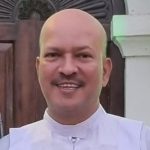 Fr Simião Purificação Fernandes New Auxiliary Bishop of GoaBangalore 6 April 2024 (CCBI) His Holiness Pope Francis has appointed Fr. Simião Purificação Fernandes (57), of the clergy of Goa and Daman Archdiocese, presently Director of St. Pius X Pastoral Read More
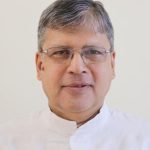 Fr. Gilbert De Lima Appointed as the Rector of St. Pius X Major Seminary, MumbaiBangalore 4 April 2024 (CCBI): Rev. Dr. Gilbert De Lima (68), the new Executive Secretary to the CCBI Commission for Theology and Doctrine, is appointed as the Rector of St. Pius X Major Seminary, Read More
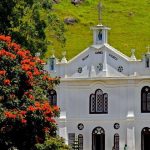 Mount Carmel Church, Munnar Elevates as Minor Basilica.Kottayam, March 27, 2024 (CCBI): Mount Carmel Church in Munnar, which belongs to the diocese of Vijayapuram, Kerala, is elevated to the status of a Minor Basilica. Most Rev. Sebastian Thekethecheril, Read More
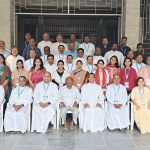 The CCBI Finalizes the Strategic Plan DocumentBangalore, March 6, 2024 (CCBI): The CCBI concluded its strategic planning process with a gathering of 67 stakeholders, including the Secretaries of the CCBI Commissions, Directors of the Read More
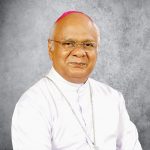 Bishop Joseph Kariyil of Cochin RetiredBangalore 2 March 2024 (CCBI): His Holiness Pope Francis has accepted the resignation of Most Rev. Joseph Kariyil (75) from the pastoral care of the Diocese of Cochin on March 2, 2024. He was the Read More